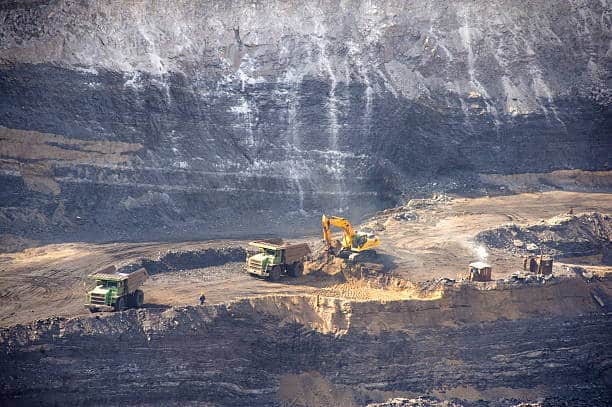
Working in Alberta’s oil sands can provide financial stability, career opportunities, and a strong sense of purpose. However, the demands of rotational work can also affect mental health, relationships, and addiction recovery. Long shifts, time away from family, changing schedules, and limited social contact can create emotional pressure that is difficult to manage alone. For workers dealing with anxiety, isolation, or substance use concerns, these challenges may become even more difficult. Finding balance during oil sands rotations requires more than getting through each shift. It means building healthy routines, recognizing when stress is becoming overwhelming, and accessing the right support to protect long-term well-being.
Understanding the Mental Health Challenges of Oil Sands Rotations
Rotational schedules often require workers to spend extended periods away from home. Although this arrangement can offer predictable work periods and time off between rotations, the adjustment is not always easy.
Workers may experience disrupted sleep, physical exhaustion, family separation, and difficulty maintaining consistent social connections. Over time, these pressures can contribute to anxiety, low mood, irritability, and emotional withdrawal.
How Anxiety Can Develop During Rotational Work
Anxiety does not always appear as obvious fear or panic. Sometimes, it shows up as constant worrying, difficulty concentrating, restlessness, or trouble sleeping.
For oil sands workers, common sources of anxiety may include:
-
Pressure to meet demanding workplace expectations.
-
Concerns about job security and changing industry conditions.
-
Worry about family responsibilities while working away.
-
Difficulty adjusting between worksite and home environments.
-
Physical fatigue and inconsistent sleep patterns.
-
Uncertainty about managing personal challenges without regular support.
When these concerns continue without attention, they can affect relationships, workplace performance, and overall health. Recognizing the signs early makes it easier to seek appropriate help.
Why Isolation Can Affect Emotional Well-Being
Being surrounded by coworkers does not necessarily prevent loneliness. Workers can spend long periods away from their usual support networks while finding it difficult to discuss personal struggles with people at the worksite.
Some may feel pressure to appear strong, particularly in workplaces where emotional difficulties are rarely discussed. As a result, anxiety, depression, and substance use concerns may remain hidden.
Maintaining meaningful connections is therefore an important part of protecting mental health during oil sands rotations.
The Connection Between Stress, Anxiety, and Substance Use
When emotional pressure becomes difficult to manage, some people turn to alcohol or drugs for temporary relief. Substance use may seem like a way to relax after a demanding shift, fall asleep, or temporarily forget personal worries.
However, relying on substances can create additional problems. Alcohol and other drugs may interfere with sleep, increase anxiety, affect decision-making, and make existing mental health symptoms harder to manage.
Recognizing Unhealthy Coping Patterns
Occasional stress is a normal part of life, but certain behaviours may suggest that someone needs additional support.
Watch for signs such as:
-
Drinking or using substances more frequently after work.
-
Feeling unable to relax without alcohol or drugs.
-
Hiding substance use from family members or coworkers.
-
Experiencing withdrawal symptoms or strong cravings.
-
Losing interest in activities that once brought enjoyment.
-
Becoming increasingly distant from friends and family.
-
Struggling to manage responsibilities because of substance use.
These signs do not mean someone has failed. They indicate that existing coping strategies may no longer be working.
If physical dependence is possible, especially with alcohol or sedative medications, medical guidance is important before stopping. Withdrawal can sometimes be dangerous and may require supervised care.
Building Healthy Routines During Oil Sands Rotations
A consistent routine can make rotational work easier to manage. Although workers cannot always control their schedules, they can develop habits that support physical and emotional health.
Prioritize Sleep and Physical Health
Sleep is essential for concentration, emotional regulation, and recovery from physical demands. However, changing shifts and worksite schedules can make consistent rest difficult.
Whenever possible, create a sleep routine that includes a quiet environment, reduced screen exposure before bed, and a consistent wind-down period. Avoid using alcohol or non-prescribed substances as sleep aids, since they can interfere with healthy sleep patterns.
Regular physical activity can also help reduce stress. Walking, stretching, strength training, or other suitable activities can provide structure and improve mood. Even short periods of movement can make a difference when incorporated consistently.
Stay Connected With Family and Friends
Regular communication helps maintain relationships during time away from home. A scheduled phone call, video conversation, or simple daily message can provide reassurance and reduce feelings of disconnection.
It is also important to communicate honestly. Instead of always saying everything is fine, workers can explain when they feel stressed, lonely, or overwhelmed. Open conversations allow family members to understand what is happening and offer meaningful support.
Make Time for Activities Outside Work
When work takes up much of the day, personal interests can easily disappear. However, hobbies and enjoyable activities provide a healthy way to manage stress.
Reading, listening to music, exercising, journaling, spending time outdoors, and participating in community activities can help create a stronger sense of identity beyond employment.
These activities are especially valuable during time off, when workers may need to adjust from a structured work environment to everyday home life.
Protecting Addiction Recovery During Oil Sands Rotations
For someone in addiction recovery, rotational work can introduce specific challenges. Time away from familiar support systems, exposure to workplace drinking culture, stress, and changes in daily routines may increase the risk of relapse.
A recovery plan should account for these circumstances rather than assume every day will follow the same schedule.
Create a Recovery Plan Before Each Rotation
Planning ahead helps workers identify potential difficulties before they arise. A practical recovery plan may include:
-
Identifying situations, emotions, and people that can trigger cravings.
-
Scheduling regular contact with a counsellor or recovery support person.
-
Maintaining healthy sleep, meal, and exercise routines.
-
Preparing strategies for managing stress after demanding shifts.
-
Knowing where to access professional or emergency support.
-
Establishing clear boundaries around alcohol and drug use.
Workers should also consider what they will do if cravings become difficult to manage. Having a trusted person to contact can prevent a challenging moment from becoming a larger setback.
Understand That Recovery Is Not a Solo Effort
Personal responsibility matters, but addiction recovery should not depend on willpower alone. Professional treatment and ongoing support can help people understand the factors contributing to substance use and develop healthier responses.
For some individuals, counselling and outpatient treatment may provide the flexibility needed to continue working while receiving care. Others may benefit from inpatient treatment, particularly when substance use is severe, withdrawal requires medical supervision, or a more structured treatment environment is appropriate.
The right level of care depends on each person’s circumstances, clinical needs, and recovery goals.
How Professional Mental Health and Addiction Treatment Can Help
Anxiety, isolation, and substance use can influence one another. Therefore, treatment should consider the full picture rather than addressing each concern separately.
A personalized treatment plan may combine mental health counselling, addiction therapy, peer support, and practical strategies for managing everyday responsibilities.
Individual Counselling and Group Therapy
Individual counselling provides a private setting to discuss anxiety, family concerns, workplace stress, and substance use. A qualified professional can help identify underlying patterns and develop strategies for managing difficult emotions.
Group therapy offers another valuable form of support. Connecting with people who understand similar challenges can reduce shame and remind individuals that they are not alone.
Inpatient and Outpatient Treatment Options
Inpatient treatment provides a structured setting where individuals can focus on recovery with consistent professional support. It may be suitable for people who need a higher level of care or a temporary break from environments associated with substance use.
Outpatient treatment allows individuals to attend scheduled therapy and treatment sessions while continuing to manage work and family responsibilities. Depending on the program, this flexibility may help oil sands workers maintain employment while addressing their health.
A healthcare professional can help determine which option is appropriate.
Incorporating Faith and Healthy Lifestyle Practices
For individuals who value spirituality, faith-based support may provide purpose, encouragement, and a connection to personal beliefs. Practices such as prayer, reflection, and participation in a supportive faith community can complement professional treatment.
Other healthy lifestyle practices, including exercise, balanced nutrition, mindfulness, and restorative activities, may also support emotional well-being. These approaches should complement evidence-informed addiction and mental health care rather than replace necessary clinical treatment.
Supporting a Healthier Return Home Between Rotations
Returning home can be just as challenging as leaving. Workers may expect everything to feel normal immediately, but family members have continued their routines while the worker was away. Reconnecting takes time and communication.
Start by allowing space for adjustment. Discuss household responsibilities, make time for meaningful conversations, and avoid trying to resolve every issue at once. If tension develops, family counselling may help everyone communicate more effectively.
For individuals in recovery, returning home should also include a plan for maintaining healthy habits. This may involve attending support meetings, continuing counselling, reconnecting with trusted people, and avoiding situations that increase relapse risk.
Families can provide valuable encouragement, but they should not be expected to manage addiction or mental health concerns without professional assistance.
Take the Next Step Toward Balance and Recovery
Oil sands rotations can place significant demands on mental health, relationships, and personal well-being. Anxiety and isolation should not be dismissed as unavoidable parts of the job, and substance use concerns should never be treated as a personal weakness. With practical routines, supportive relationships, and appropriate professional care, workers can develop healthier ways to manage stress and protect their recovery.
The road back to balance begins with recognizing when something needs to change. Whether you are experiencing anxiety, struggling with substance use, or trying to maintain recovery while working away from home, support is available. Individualized addiction treatment, mental health counselling, inpatient care, and outpatient programs can help you find an approach that fits your needs.
You do not have to wait until a difficult situation becomes a crisis. Reach out to a qualified treatment professional, speak with someone you trust, and take one practical step toward a healthier future. Your well-being matters both on the worksite and beyond it.

 Working in Alberta’s oil sands can provide financial stability, valuable career opportunities, and a strong sense of purpose. However, long shifts, demanding working conditions, and extended periods away from family can take a serious toll on mental health. For many oil sands workers, stress becomes so familiar that exhaustion, irritability, and emotional strain start to feel like a normal part of the job. Recognizing the warning signs of burnout is essential for protecting your well-being, maintaining healthy relationships, and reducing the risk of turning to alcohol or other substances to cope. With practical stress management strategies and the right professional support, workers can build healthier lives both on and off the worksite.
 Working in Alberta’s oil sands can provide financial security, career opportunities, and a strong sense of purpose. Yet behind the demanding shifts, close-knit crews, and commitment to getting the job done, many workers face pressures that are difficult to discuss. Long rotations, isolation from loved ones, fatigue, and uncertainty about the future can gradually affect emotional well-being. When stress becomes constant, it may contribute to anxiety, depression, or unhealthy patterns of substance use. Recognizing when stress becomes a mental health concern is an important step toward protecting your health, strengthening relationships, and finding support before the burden becomes overwhelming.
 Life in Alberta’s oil sands can offer valuable career opportunities, financial stability, and a strong sense of teamwork. However, long shifts, rotating schedules, time away from family, and the pressure to perform can make it difficult to maintain a healthy personal life. For some workers, these challenges also affect mental health and increase the temptation to rely on alcohol or other substances to cope. Building a healthier life beyond the worksite means making room for consistent routines, meaningful relationships, emotional well-being, and sustainable addiction recovery. With practical habits and the right support, oil sands workers can protect their health while creating a more balanced and fulfilling life.
 Finishing a demanding Oil Sands shift does not always mean the stress ends when a worker leaves the jobsite. Long hours, physically demanding work, rotational schedules, isolation, and pressure to perform can remain on the mind long after the shift is over. For some workers, the effects can follow them home and affect sleep, relationships, mood, and the ability to relax. Over time, unmanaged stress may also contribute to unhealthy coping behaviors, including problematic alcohol or substance use. Learning how to manage stress after Oil Sands work is an important part of protecting mental health, strengthening family relationships, and supporting lasting addiction recovery.
 For many Oil Sands workers, coming home is supposed to be the easiest part of the rotation. After days or weeks of demanding work, returning to family, friends, and familiar surroundings can feel like a welcome relief. Yet the transition is not always simple. Long hours, isolation, disrupted routines, and the emotional strain of being away can make it difficult to reconnect once a worker arrives home. For people dealing with substance use or mental health concerns, the adjustment can be even harder. Building stability in Oil Sands communities means creating healthier ways to manage these transitions while strengthening relationships, emotional well-being, and access to addiction recovery support.
 Working in the Oil Sands can provide financial stability, career opportunities, and a strong sense of purpose. However, the demands of rotational work can also create challenges that are easy to overlook. Long periods away from home, demanding shifts, disrupted sleep, and repeated transitions between work and family life can gradually affect mental health and relationships. For some Oil Sands workers, ongoing stress may also increase the risk of unhealthy coping behaviors, including alcohol or substance use. Supporting mental health for Oil Sands workers means recognizing these pressures early and creating practical pathways toward connection, stability, and recovery.
 Working in the oil sands can provide financial security, professional pride, and a strong sense of purpose. However, a demanding career can also come with long shifts, rotational schedules, physical exhaustion, and extended periods away from family. When work becomes the center of everyday life, it can be easy to overlook emotional health until stress, isolation, or substance use begins to interfere with personal well-being. Finding balance in oil sands life means recognizing that a successful life is about more than a paycheque. It also involves protecting mental health, maintaining meaningful relationships, and having the support needed to recover when challenges become overwhelming.